


Impact of Social Media on Book Reviews
Updated: Oct 23, 2025
In the ever-evolving world of literature, the way readers discover and engage with books has transformed dramatically. Social media platforms have become powerful tools for sharing opinions, sparking discussions, and influencing reading choices. For historical fiction authors and enthusiasts, this shift presents both exciting opportunities and unique challenges. How exactly has the rise of social book critiques reshaped the landscape of book reviews? Let’s dive into this fascinating topic and explore the nuances together.
How Social Book Critiques Shape Reader Perceptions
Social book critiques have revolutionized the way readers interact with historical fiction. Unlike traditional reviews found in newspapers or literary journals, these critiques often come from everyday readers who share their thoughts on platforms like Instagram, Twitter, TikTok, and Goodreads. This democratization of opinion means that voices from all corners of the world can contribute to the conversation.
One of the most striking effects is the immediacy and accessibility of feedback. Readers no longer wait weeks or months for a professional review; instead, they can access a flood of opinions within hours of a book’s release. This rapid exchange can create buzz around a title, sometimes propelling lesser-known authors into the spotlight overnight.
Moreover, social book critiques tend to be more personal and relatable. Readers often share how a book made them feel or what historical details resonated with them, which can be incredibly persuasive for potential readers. For example, a TikTok video explaining how a historical novel illuminated a little-known event can spark curiosity and drive sales.
However, this landscape is not without its pitfalls. The sheer volume of opinions can be overwhelming, and not all critiques are equally thoughtful or informed. As a historical fiction author or reader, it’s essential to navigate this space with a discerning eye, appreciating the diversity of perspectives while seeking out well-grounded insights.

The Role of Social Book Critiques in Promoting Historical Fiction
Social book critiques have become a vital promotional tool for historical fiction authors. Unlike traditional marketing campaigns, which can be costly and impersonal, social media allows for authentic engagement with readers. Authors can share behind-the-scenes glimpses of their research process, discuss historical contexts, and respond directly to reader questions.
This interaction builds a community around a book or series, fostering loyalty and encouraging word-of-mouth recommendations. For instance, an author might post a photo of a historical artifact related to their novel, sparking a conversation that deepens readers’ appreciation for the story’s setting.
Additionally, influencers and book bloggers specializing in historical fiction can amplify a book’s reach. Their reviews often carry significant weight, guiding followers toward new titles. Collaborations between authors and these influencers can be mutually beneficial, creating content that educates and entertains.
For readers, social book critiques offer a treasure trove of recommendations tailored to their interests. Whether someone is fascinated by Tudor England or the American Civil War, they can find curated lists and passionate discussions that help them discover hidden gems.
If you want to explore a variety of thoughtful and well-crafted reviews, check out this collection of social media book reviews that highlight the best in historical fiction.

What Company Will Pay You to Read a Book?
You might be wondering if it’s possible to get paid for your love of reading historical fiction. Surprisingly, some companies and platforms do offer compensation for book reviews, especially if you have a knack for writing insightful critiques.
One such opportunity comes from companies that hire freelance reviewers to read and evaluate books before publication. These roles often require a strong understanding of the genre and the ability to provide constructive feedback. While getting paid per book might sound like a dream, it’s typically reserved for experienced reviewers or those who can commit to detailed, professional assessments.
Another avenue is participating in paid surveys or focus groups related to book marketing. Publishers sometimes seek reader opinions to shape their promotional strategies, and these sessions can offer modest compensation.
For historical fiction authors, understanding these opportunities can be valuable. You might consider hiring professional reviewers or collaborating with paid influencers to ensure your book receives the attention it deserves.
While this path isn’t for everyone, it highlights the growing recognition of the importance of reader feedback in the publishing industry.

Navigating the Challenges of Social Media Book Critiques
Despite the many benefits, social media book critiques come with challenges that authors and readers must navigate carefully. One major issue is the potential for misinformation or superficial reviews. Because anyone can post their opinion, some critiques may lack depth or accuracy, especially when dealing with complex historical contexts.
For authors, this can be frustrating. A misinformed critique might misrepresent the book’s intent or historical accuracy, potentially deterring interested readers. To counter this, authors can engage proactively by providing context, sharing research sources, and participating in discussions to clarify misunderstandings.
Another challenge is the prevalence of “review bombing,” where groups of users leave negative reviews en masse, sometimes for reasons unrelated to the book’s quality. This phenomenon can skew perceptions and impact sales unfairly.
Readers, on the other hand, should approach social book critiques with a critical mindset. Look for reviews that explain why a book succeeded or fell short, rather than relying solely on star ratings or brief comments. Engaging with multiple sources and cross-referencing opinions can lead to a more balanced understanding.
Ultimately, the key is to foster a respectful and informed community where diverse voices contribute to enriching the historical fiction experience.
Embracing the Future of Historical Fiction Through Social Book Critiques
As social media continues to evolve, so too will the ways we share and consume book reviews. For historical fiction, this means exciting possibilities for deeper engagement and broader reach. Imagine virtual book clubs where readers from different countries discuss a novel’s portrayal of a historical event, or interactive author Q&A sessions that bring history to life.
The Historical Fiction Company is at the forefront of this movement, providing a platform that supports authors from manuscript to bestseller status while cultivating a vibrant community of readers. By embracing social book critiques, the company helps ensure that historical fiction remains a dynamic and accessible genre.
For authors, the message is clear: engage authentically with your audience, leverage social media thoughtfully, and view critiques as opportunities for growth. For readers, the invitation is to explore widely, share your passion, and contribute to a lively dialogue that honors the past through storytelling.
In this digital age, social book critiques are not just reviews - they are conversations that connect us across time and space, enriching our understanding of history and the human experience.

By understanding and embracing the impact of social book critiques, we can all play a part in shaping the future of historical fiction - one story, one review, and one conversation at a time.

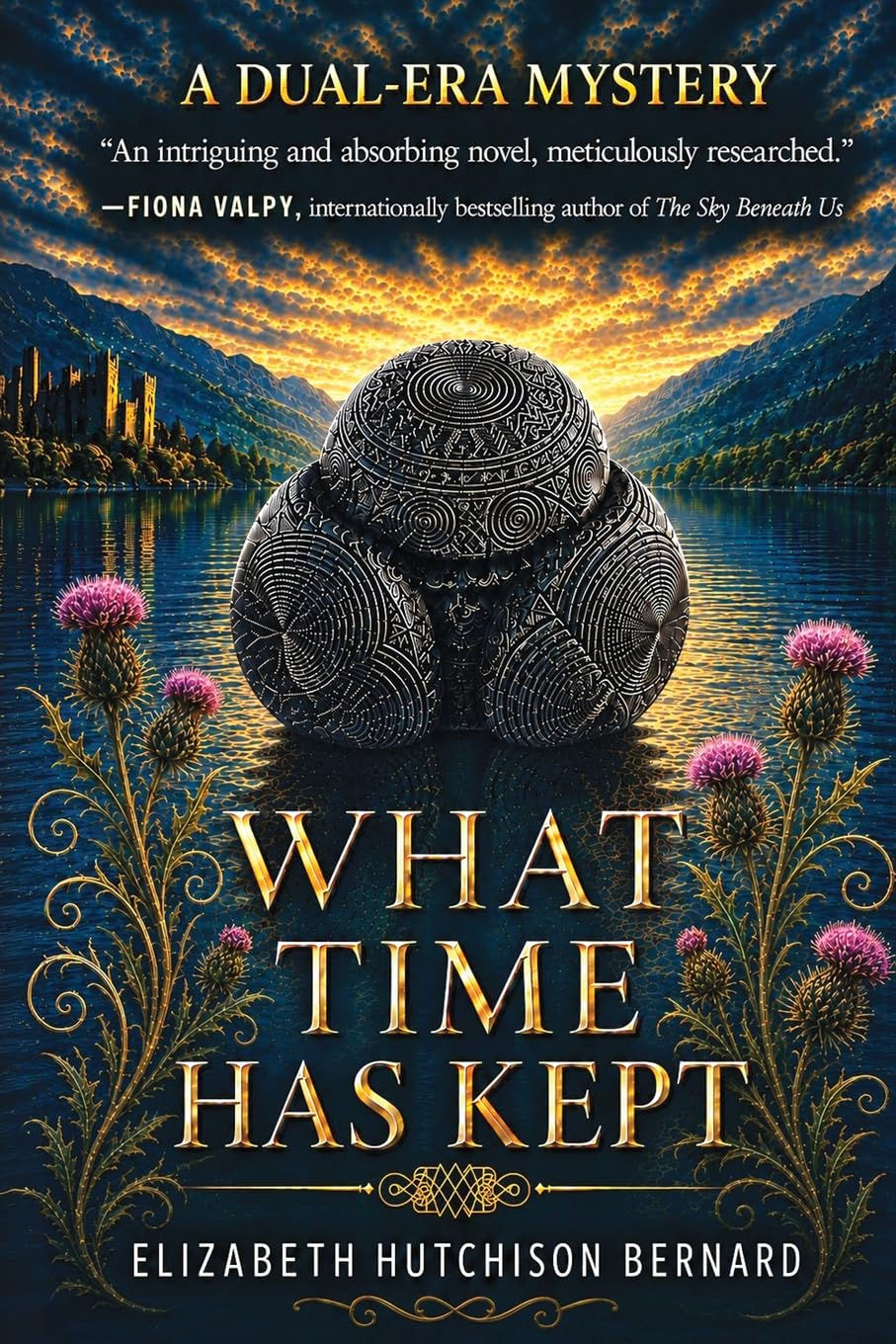

I have observed this transformation directly through my work with a friend who published her first book. She gained her initial success through Instagram reels and reader communities while traditional review platforms failed to bring her any traction. The social media agency Dubai consultant we interviewed demonstrated that algorithms determine both visibility and audience trustworthiness. Book reviews now depend more on social proof, reader interactions, and real discussions than at any previous time. Modern authors require an intelligent online presence to succeed in their careers.